



Table of Contents
Nestled amidst the rugged landscapes of Iran, the ancient village of Kharanaq stands as a testament to the enduring spirit of Persian history. This enchanting settlement, believed to be around 4,500 years old, beckons travelers to step back in time and immerse themselves in its labyrinthine alleyways and ancient mud-brick structures.
The village’s strategic location along the ancient Silk Road, just 60 km from the UNESCO World Heritage city of Yazd, has played a significant role in its rich history. Once a thriving farming community, the village flourished under various rulers, each leaving their mark on its architectural identity. Today, visitors can explore the remnants of its prosperous past, including a striking mosque with a unique shaking minaret and a well-preserved caravanserai that once welcomed weary travelers.
Kharanaq History
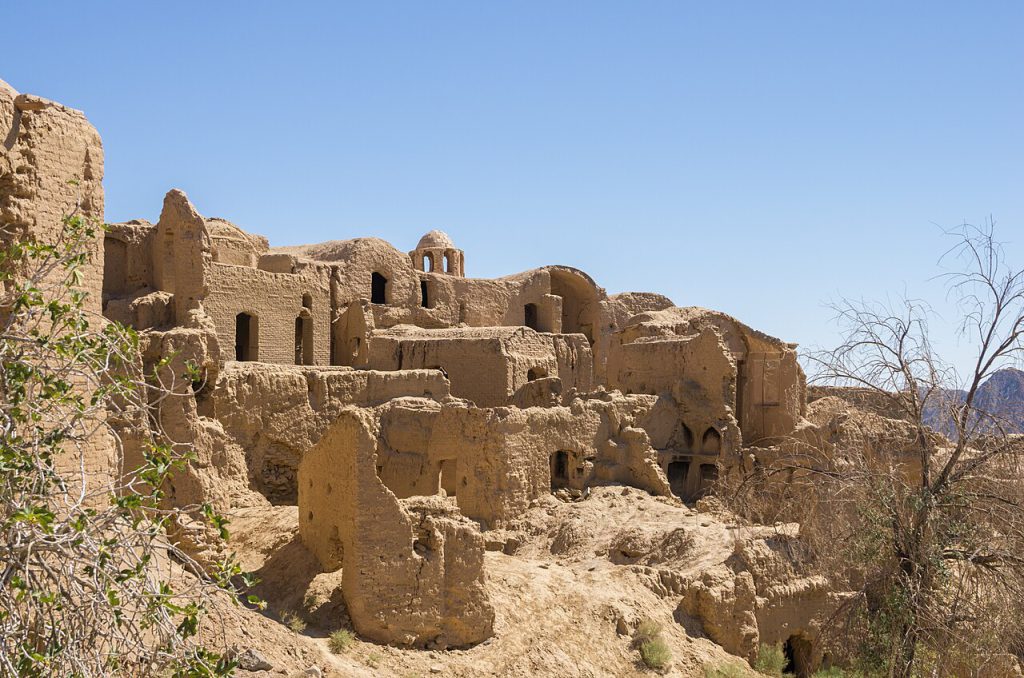
Kharanaq’s history is a tapestry woven with the threads of time, dating back to the Sassanian era. This ancient village, strategically positioned along the Silk Road, served as a bustling trading post where merchants exchanged goods and ideas. Over the centuries, the village flourished under various rulers, each contributing to its unique architectural landscape. The remnants of its past are evident in the impressive structures that dot the village, such as the Kharanaq Castle, which stands as a testament to the ingenuity and resilience of its builders. With multi-story houses designed for both defense and habitation, the castle reflects the social dynamics and architectural advancements of its time.
The village’s architectural identity is further enriched by its iconic shaking minaret and the historical caravanserai, which once provided shelter for weary travelers. These structures not only highlight the village’s significance as a trade hub but also showcase the blending of different cultural influences that have shaped the village over the centuries. Today, as visitors wander through its labyrinthine streets, they encounter a haunting beauty that speaks to the village’s storied past, inviting them to reflect on the lives of those who once thrived in this remarkable settlement.
Kharanaq Architecture
Kharanaq’s architectural landscape is a mesmerizing display of ancient craftsmanship, characterized by its narrow, winding lanes and crumbling mud-brick houses. The village’s structures, primarily built from sun-baked adobe, create a harmonious blend with the surrounding arid landscape. Ornate lattice windows and delicate wooden balconies add a touch of elegance to the robust facades, while the organic curves of the buildings tell the story of centuries of repairs and adaptations. As one navigates through the labyrinthine streets, the sense of history is palpable, with each turn revealing remnants of a once-thriving community that flourished along the Silk Road.
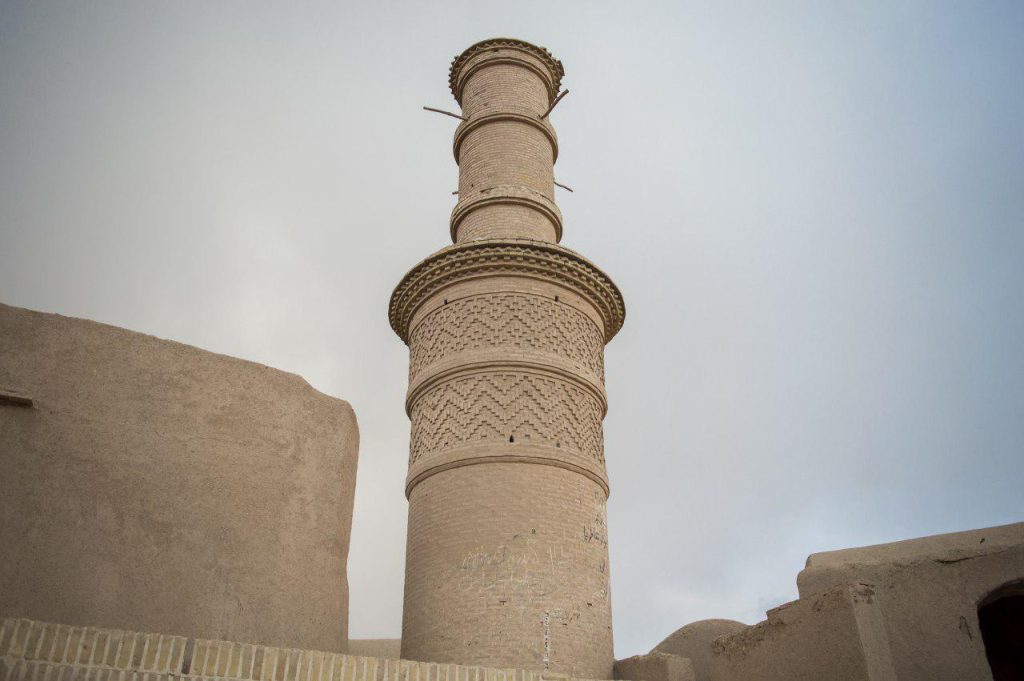
Among the village’s standout features is the iconic Shaking Minaret, a striking 15-meter tall structure that has intrigued visitors for generations. This unique minaret, with its three-tiered design and spiral staircase, not only served as a watchtower but also continues to captivate with its mysterious vibrations. Nearby, the restored Qajar-era mosque and the ancient caravanserai further enhance the village’s architectural allure, showcasing the village’s role as a pivotal stop for traders and pilgrims. Despite its current state of disrepair, the enduring beauty of the architecture invites exploration and reflection, offering a glimpse into the ingenuity of its past inhabitants and their adaptation to the harsh desert environment.
Kharanaq People and Culture
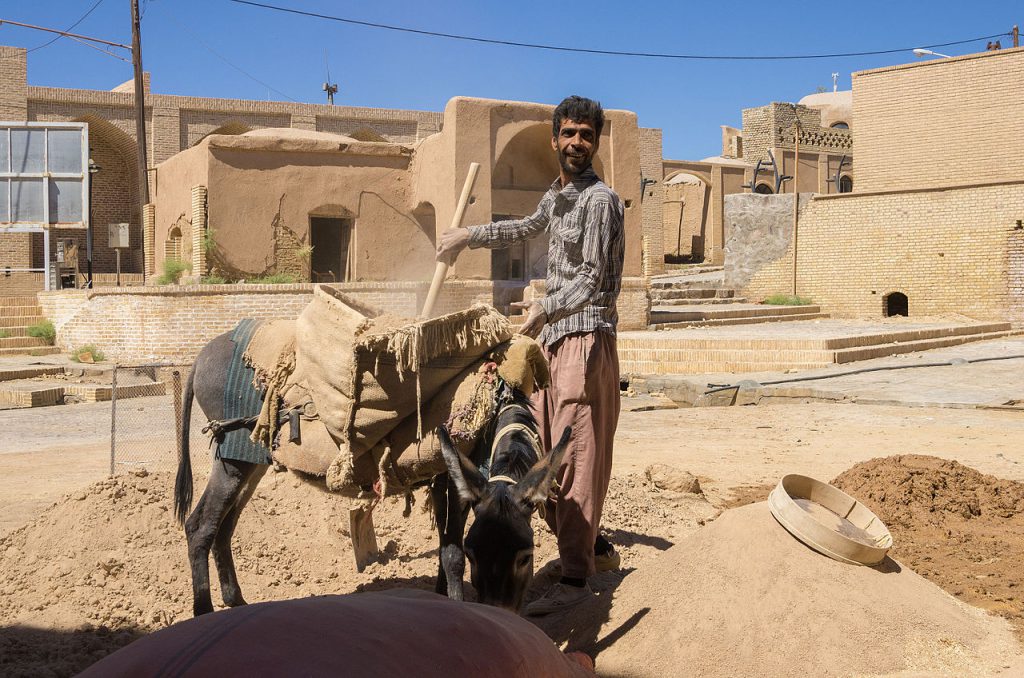
Beyond its architectural marvels, the village is a living canvas that celebrates the vibrant cultural traditions of its people. The village pulses with the rhythm of local celebrations and rituals that have been passed down through generations, painting a vivid picture of Iran history and culture that has endured the test of time.
Community life in the village is a testament to the warmth and resilience of its inhabitants. Despite facing challenges such as the erosion of its mud-brick structures and the pressures of modernization, the village stands strong, its people fiercely protective of their cultural identity. Families gather to partake in time-honored customs, their connections weaving a tapestry of shared experiences that bind the community together. From the intricate tile work adorning the walls of the Jame Mosque to the azure-blue dome of the Baba Khadem Shrine, every aspect of the village reflects the deep-rooted spirituality and artistic expression of its people.
Things to Do in Kharanaq Village
Kharanaq Castle
Kharanaq Castle, with its 1,800-year history, is a testament to the architectural prowess of the post-Islamic era. This massive residential fortress, one of the largest in Yazd, is encircled by protective moats, walls, and watchtowers. Within its boundaries lie 80 homes, each a reflection of the social and economic standing of its former inhabitants. The significance of this castle is such that it was officially recognized as a national heritage site in 2005.
Kharanaq Shaking Minaret
Nearby, the Kharanaq Shaking Minaret stands as a unique piece of history. Unlike its more famous counterpart in Isfahan, this 15-meter-tall minaret, dating back to the Sassanian era, served dual purposes. It was not only a watchtower but also functioned as a lighthouse, guiding the people of the village through the darkness. The three-story structure is a marvel of ancient engineering, still captivating visitors with its slight, deliberate movement.
Kharanaq Jameh Mosque
The Kharanaq Jameh Mosque, a relic from the 8th to 10th centuries Hijri Qamari, showcases the traditional mud-brick construction that defines much of the village’s architecture. Its modest yet enduring structure speaks to the craftsmanship of the time, with certain sections adorned with intricate brickwork that adds a touch of elegance to the overall design. Connected to the mosque is the Husseiniyah, another significant structure made primarily of mud-brick. Together, these buildings have served as the heart of village’s spiritual and communal life for centuries, their weathered walls a silent witness to the village’s enduring faith and tradition.
Kharanaq Bathhouse
The Kharanaq Bathhouse, a relic of the Qajar era, stands as a testament to the village’s resourceful use of its natural surroundings. Strategically positioned near the caravanserai and the fertile agricultural lands, the bathhouse ingeniously taps into the ancient qanat system for its water supply. This traditional bathhouse not only served as a place for cleansing but also as a communal gathering spot where villagers would connect and share news. Its enduring presence near the heart of the village reflects the integral role it played in daily life, seamlessly blending practicality with social interaction.
Kharanaq Water Mills
The village is home to two remarkable water mills, each with a history spanning approximately 140 years. One of these ancient mills is nestled within the castle walls, while the other stands just outside, both serving as a testament to the village’s ingenious use of natural resources. These mills were essential to the daily life of the village’s residents, grinding grain into flour and providing a vital link in the village’s agricultural economy. Their enduring presence offers a glimpse into the resourcefulness and skill of the villagers who relied on the steady flow of water to power their everyday needs.
How to Get to Kharanaq Village
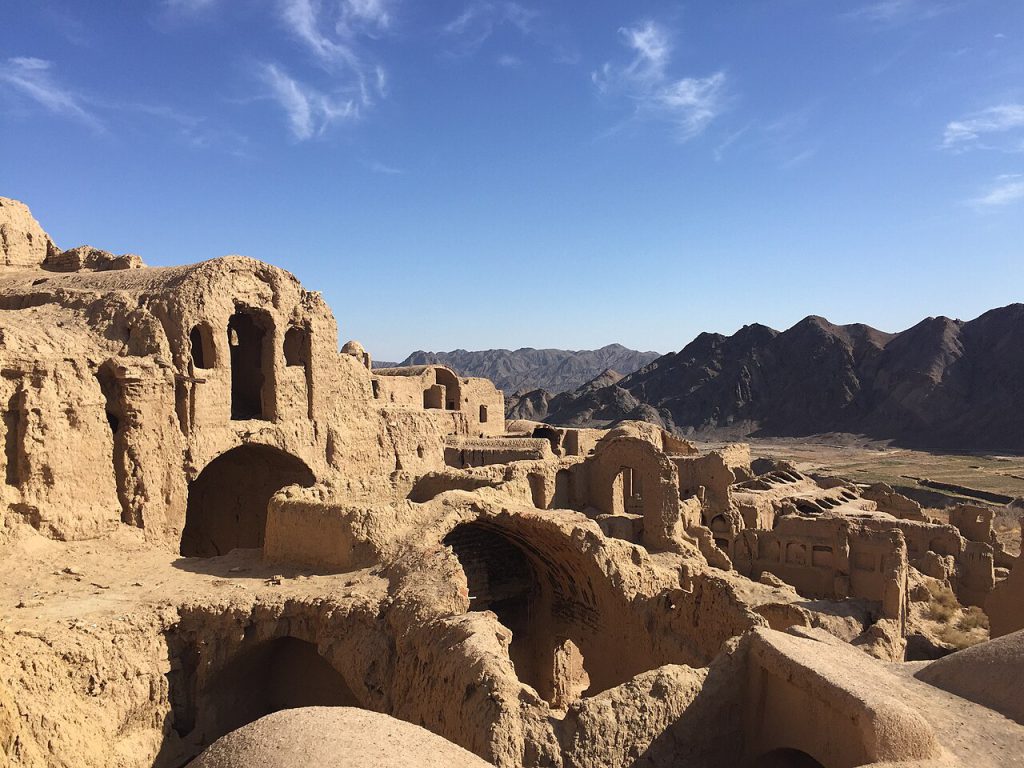
To reach the village, located 85 kilometers from Yazd city, travelers can take the Ardakan-Tabas road, which involves a 50-kilometer drive. For those journeying from Tehran, a flight to Yazd is recommended to conserve energy for exploring both the city and the village.
While public buses and shared taxis are available, they are infrequent and might not provide the same level of convenience as private transportation. Therefore, arranging a private vehicle can enhance the travel experience, allowing for a more comfortable and flexible journey.
Best Time to Visit Kharanaq Village
This ancient village, a historical gem in Yazd Province, beckons travelers with its unique charm, especially during the early spring and autumn months. Springtime transforms the village into a picturesque landscape where blooming trees and mild weather create an inviting atmosphere for exploration.
Other Attractions Near Kharanaq Village
Ancient Caravanserais
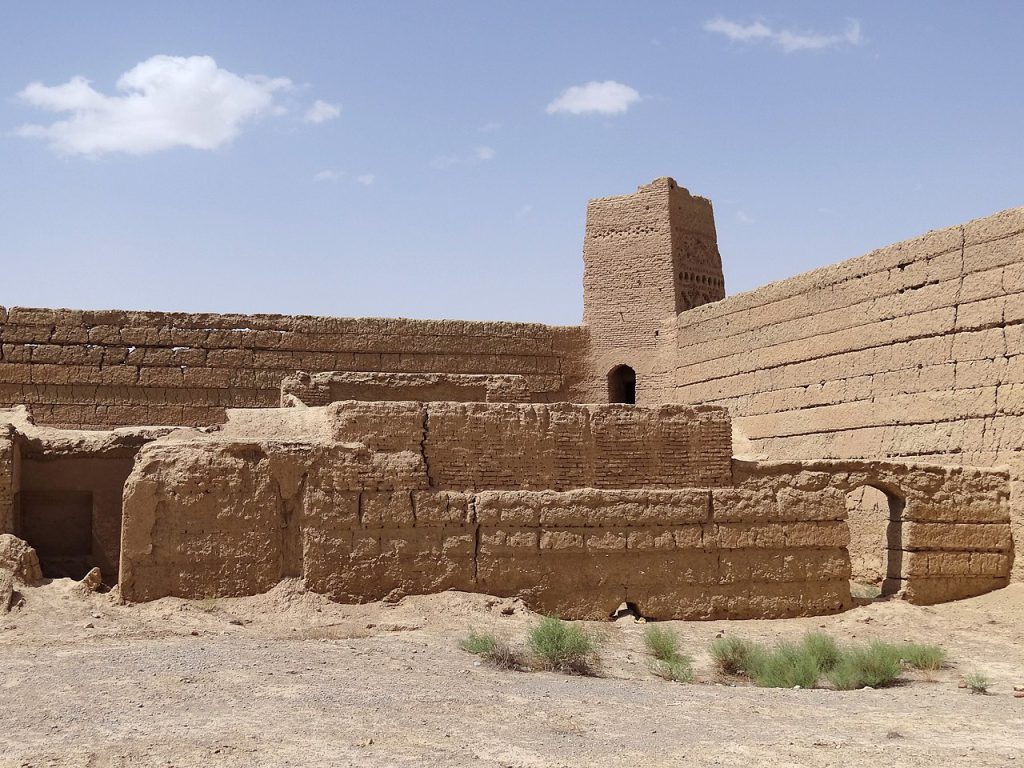
The enchanting landscapes surrounding the village enhance its historical allure, providing a stunning backdrop for exploration. Ancient caravanserais, which once served as vital resting points for weary travelers along the Silk Road, dot the area. These structures, with their sturdy walls and spacious courtyards, evoke a sense of nostalgia for the bustling trade routes that once thrived here.
As visitors wander through the remnants of these caravanserais, they can almost hear the echoes of merchants and their camels, bringing stories and goods from distant lands. The unique architecture, characterized by mud-brick construction, stands resilient against the elements, inviting travelers to imagine the vibrant life that once filled these spaces.
FAQs about Kharanaq Village
Q1: Where is Kharanaq Village located?
A1: Kharanaq Village is located 85 kilometers from Yazd city in Iran.
Q2: How old is Kharanaq Village?
A2: Kharanaq Village is approximately 4,500 years old.
Q3: What can you see in Kharanaq Village?
A3: In the village, you can see historic structures like the Kharanaq Castle, the Shaking Minaret, and a caravanserai.
Q4: How do you get to Kharanaq Village?
A4: You can reach Kharanaq Village by driving 85 kilometers from Yazd city, using the Ardakan-Tabas road.
Q5: How far is Kharanaq from Yazd?
A5: Kharanaq is 85 kilometers from Yazd.
Last Words: Discover the Best of Kharanaq Village with a Customized Tour
Kharanaq is an ancient village in Iran, believed to be around 4,500 years old. It is located in a rugged landscape and has a long history. The village was situated along the famous Silk Road, about 60 km from the city of Yazd, which is a UNESCO World Heritage site. In the past, the village was a successful farming community that grew under different rulers. Each ruler left their mark on the village’s architecture.
If you’re eager to experience the captivating village of Kharanaq and immerse yourself in Iran’s rich cultural heritage, a customized tour is the way to go. Enter To Iran Tour, a company dedicated to crafting unforgettable Iran tours and travel packages. Our team of experienced professionals will work closely with you to curate a Iran Tours experience that allows you to discover the hidden gems of this village and beyond. With To Iran Tour, you’ll have the opportunity to delve into the village’s ancient history, explore its maze-like alleyways, and admire the intricate architecture that has stood the test of time.
We’re here to help you create a memorable experience that showcases the best of Kharanaq and beyond.
